3D-printed decor in India: what to expect
The short answer
Expect ₹1,500–₹3,500 for a considered single piece, a wait of a few days rather than same-day dispatch, and pricing that tracks hours on the print bed rather than the size of the object. Anything shipping instantly from stock was printed in a batch before you arrived — which is a different product, not a better price.
Buying printed decor in India is confusing right now because two very different things are sold under the same words. On one side there are batch-printed items held in stock, listed at low prices, dispatched within a day. On the other there are studios that print each piece after the order arrives. Both are legitimate. They cost different amounts and take different lengths of time for reasons worth understanding before you buy.
Why print time sets the price
A printer occupies itself with exactly one object at a time. A flat wall panel might take 14 hours; a dense sculpture with an overhanging canopy might take 26. During those hours the machine cannot do anything else, and someone has to check on it, because a print that fails at hour 20 fails completely.
So the cost of a printed object is mostly time, not material. Filament is a small fraction of the price. This is why two objects of the same physical size can be priced quite differently, and why a small, dense, detailed piece can cost more than a larger simple one.
| Piece | Hours on the bed | Price |
|---|---|---|
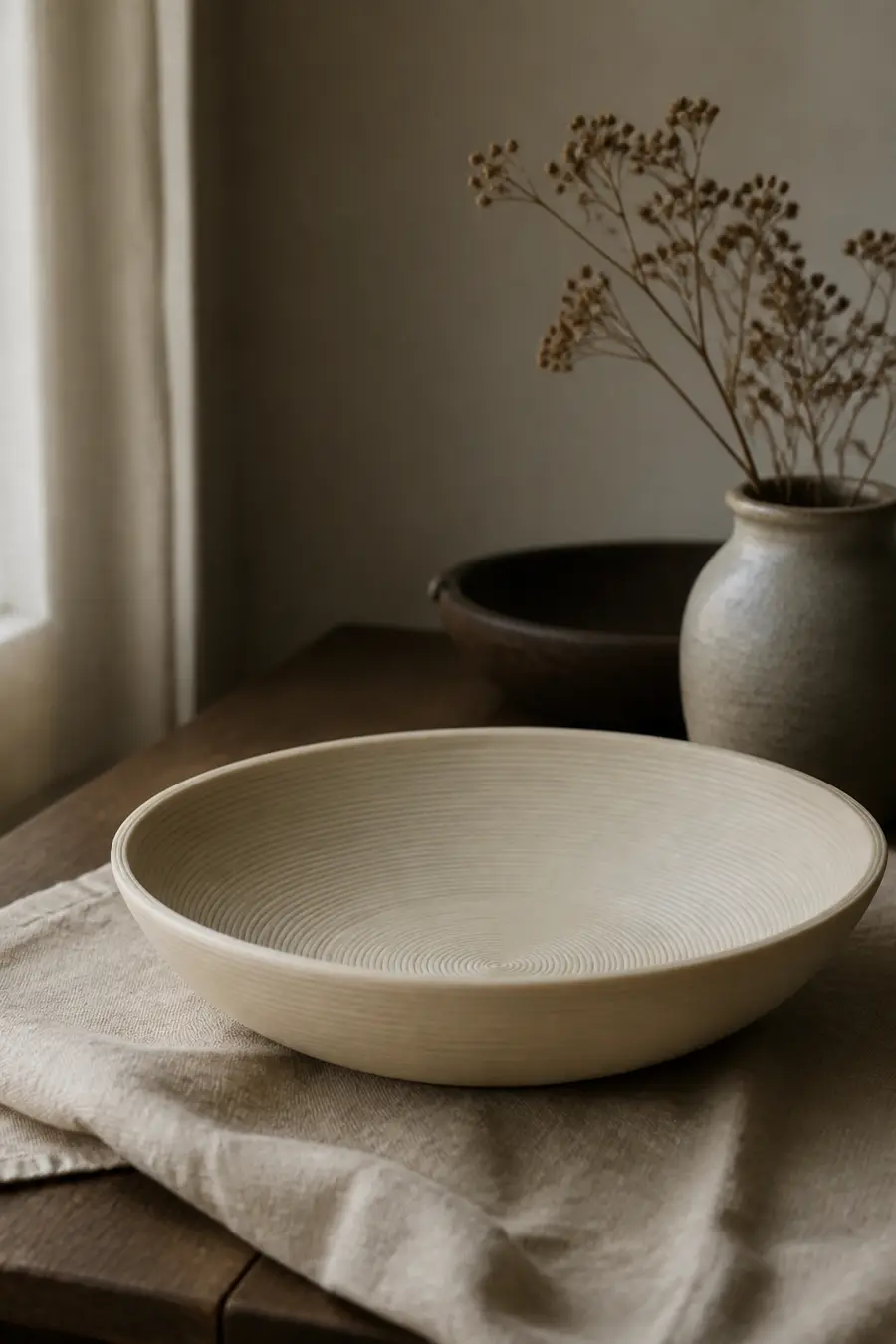
| Still Bowl | 11 | ₹1,650 |
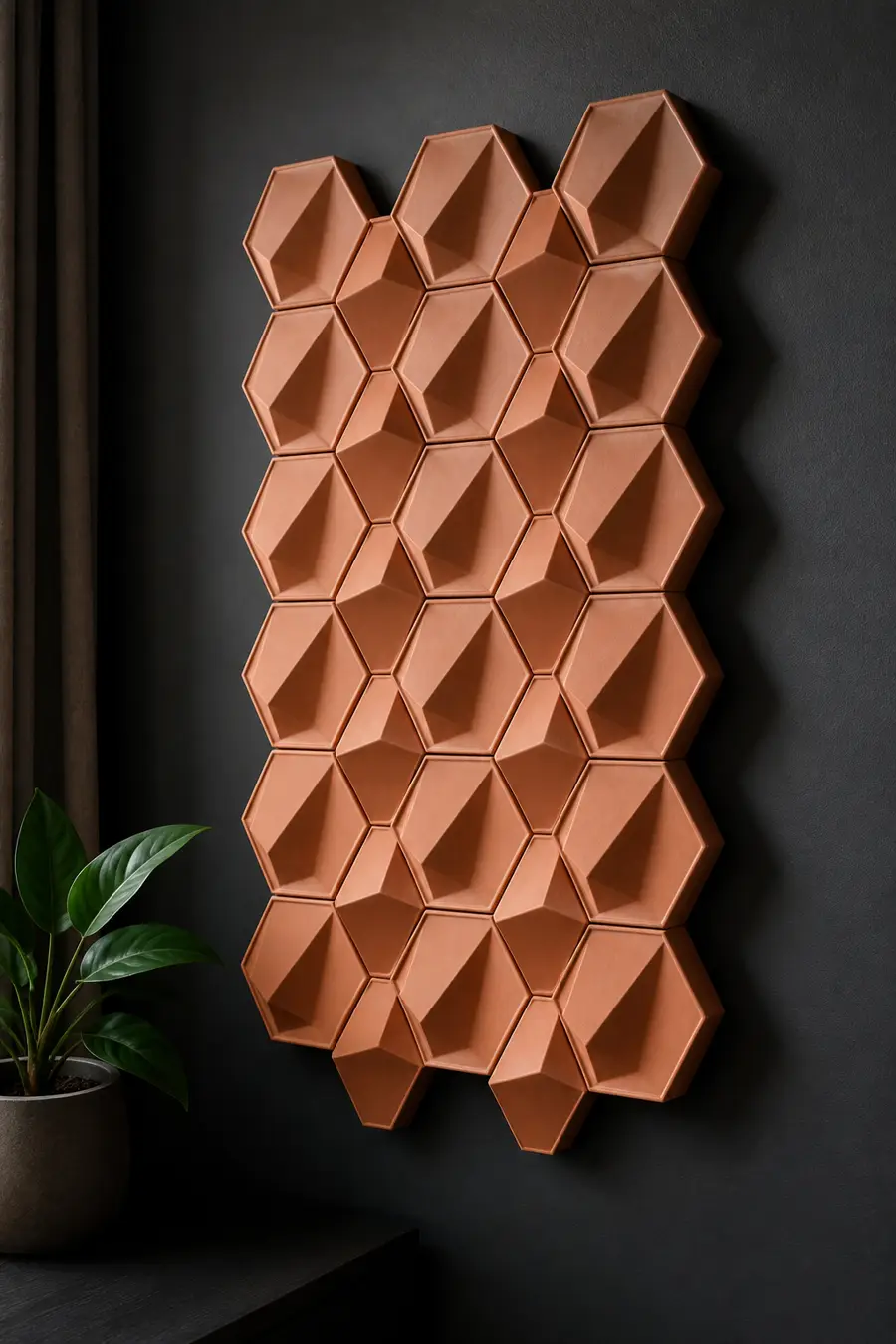
| Hex Wall Panel | 14 | ₹1,800 |
| Ridge Shelf Accent | 16 | ₹2,150 |
| Wave Vase | 18 | ₹2,400 |
| Wave Sculpture | 22 | ₹2,900 |
| Bonsai Sculpture | 26 | ₹3,200 |
That table is our own catalog, and the pattern in it is the honest version of our pricing: the order of the prices is the order of the print times.
How long you should expect to wait
With a made-to-order studio, the print itself is the bulk of the wait, and it is measured in the hours listed above rather than in weeks. Add hand-finishing, packing, and then normal domestic courier time.
What you should not expect is same-day dispatch. If a piece ships within hours of your order, it existed before your order did. That is fine — it is simply stock — but it means someone guessed which colours and shapes would sell, and the pieces that guessed wrong end up discounted or discarded.
Shipping and packing
Printed pieces are light, which keeps domestic shipping inexpensive, and rigid, which means the packing matters more than the weight. Look for a studio that says something specific about how a piece is packed rather than just naming a courier.
We ship from India and shipping is free above ₹1,500, which covers every piece in our catalog except nothing — it is the price of our least expensive bowl. That is deliberate; a shipping charge on a single small object tends to cost more in hesitation than it recovers.
How to judge quality before it arrives
You cannot hold the object, so judge the description. Four things separate a considered piece from a batch-printed one, and all of them are visible in the listing.
- Does it name the material precisely? "Plant-based PLA" tells you something. "High-quality eco filament" does not.
- Does it tell you what the piece cannot do? A studio that mentions the vase needs a liner and the bowl is not tableware is describing the object rather than selling around it.
- Are the layer lines shown or hidden? Photographs that avoid the surface texture usually mean the texture is not good.
- Is print time stated? It is the one number that reveals how much machine and attention went in.
The heat question, because it is India
PLA softens above roughly 55°C. Indoors this never comes up — a hot Indian afternoon without air conditioning is nowhere close. Two situations do come up: a piece left in a parked car, and a courier box sitting in direct sun on a terrace for an afternoon. Bring deliveries inside, and do not use a printed object as a car dashboard ornament.
That is the full extent of the climate caveat. Humidity and monsoon damp do not affect a finished print, though they matter a great deal to filament before it is printed, which is a studio's problem rather than yours.
Printed to order means the object did not exist until you asked for it. That is the whole proposition, and everything else about the price and the wait follows from it.Studio note